
The goldsmiths' bridge
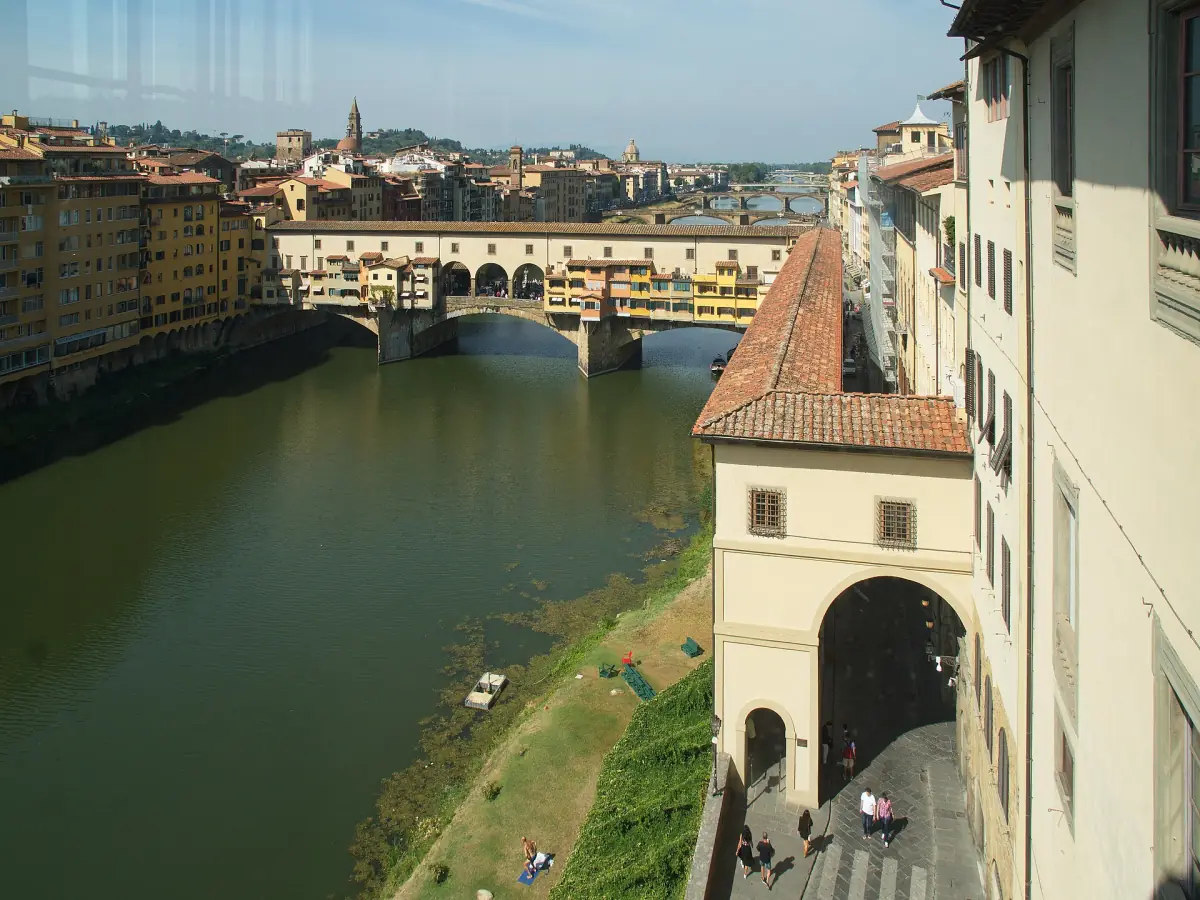
Goldsmiths and jewellers have worked on the Ponte Vecchio since the end of the sixteenth century. Before that, butchers, fishmongers and tanners held the shops. The change came under Ferdinando I in 1593 or 1594, and the trade has defined the bridge since.
Today the shops are mostly jewellers and goldsmiths. This page does not rank them and does not recommend buying anything. It explains what you will see, which goods the bridge rules allow, and what to ask if you decide to buy.
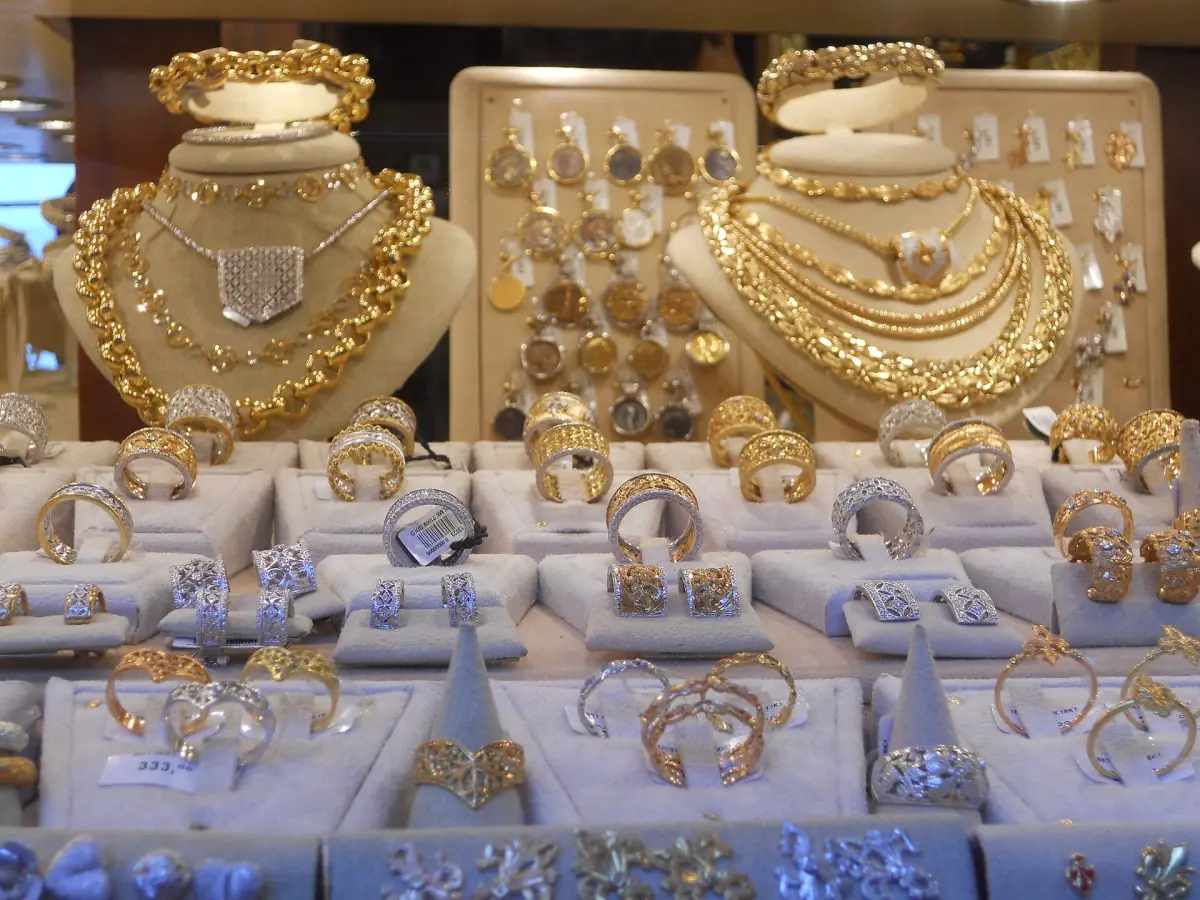
What the shops may sell
The bridge has its own trade rules.
Trade rules for the bridge name jewellery and precious items, watches, art, antiques, coins and stamps as permitted goods. They rule out serving food and drink. That is why you will not find a café or a snack stand on the bridge.
The rules do not tell you which shop sells which goods. Windows differ, so look at each one. Do not assume that every item was made by hand or locally, and do not assume that prices are low because the bridge is famous.
| Goods | Allowed on the bridge |
|---|---|
| Jewellery and precious items | Yes |
| Watches | Yes |
| Art and antiques | Yes |
| Coins and stamps | Yes |
| Serving food and drink | No |
Florence tours and tickets
Walking tours across the Ponte Vecchio, Uffizi and Vasari Corridor tickets and food tours, with live prices and availability.
Opening hours
There is no single timetable for the whole bridge.
Each shop sets its own hours. One goldsmith at number 23R keeps Tuesday to Saturday, 10:30 to 19:00, and that applies to that shop only. Others may open on different days. Evening and Sunday hours differ from shop to shop, so check before you plan a visit around a particular purchase.
The bridge itself is a public street, and you can cross it at any time of day. To see the lit windows in the evening, take a look at the photos on the photo spots page.
The windows by night
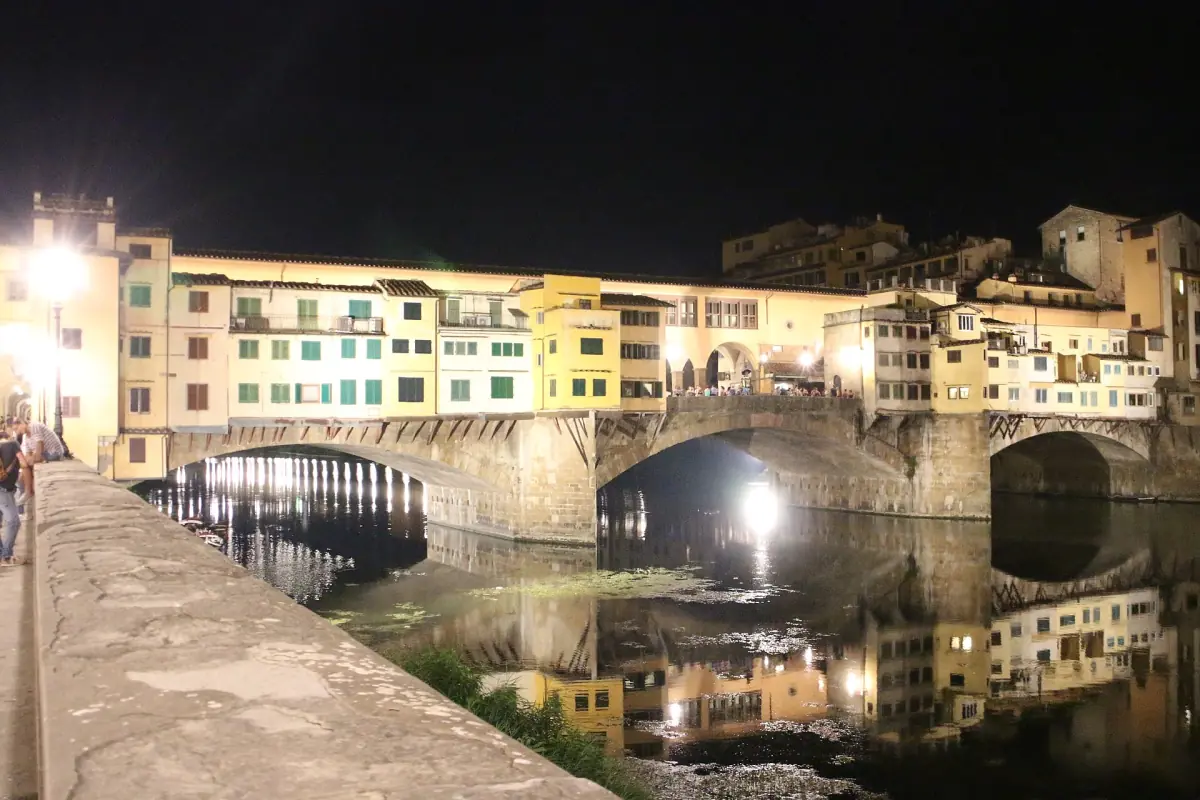
After dark the shop fronts are lit, and the bridge looks very different from the daytime view. The evening is a good time to walk across just to see them.
Questions to ask before you buy
Practical steps if you decide to buy jewellery.
Ask what it is made of
Ask for the metal, the purity and the weight in writing, and have them added to the receipt.
Compare before you commit
Look at several windows and note the prices. Take time, as nobody needs to decide on the spot.
Ask about returns and repairs
Ask what the shop does if you want to return or resize an item.
Keep the paperwork
Keep the receipt, any certificate and the written description together, in case you need them later.
Making the shops part of your walk
You can see them in a few minutes or take your time.
Many people cross the bridge on the way between the Uffizi and the Oltrarno. The shop fronts stand on both sides, so walk slowly and look in the windows at the jewellery displays. The Cellini monument stands in the middle of the bridge.
If you want to buy, treat the first visit as a look. Note the shops that interest you, finish your walk, and come back if you still want to. If you only want to look, nobody needs a reason to walk across.
The same bridge also carries the Vasari Corridor above the shops. You cannot see inside it from the street, but you can book a visit. See the corridor page for tickets.
Beyond the bridge
More of the story and the sights close by.
Ponte Vecchio shops: frequently asked questions
What do the shops on the Ponte Vecchio sell?
Mostly jewellery and gold. The bridge rules also allow watches, art, antiques, coins and stamps, and they do not allow serving food or drink.
When are the shops open?
Each shop keeps its own hours. One goldsmith on the bridge is open Tuesday to Saturday from 10:30 to 19:00, and others may differ. Check the hours of the shop you want to visit.
Is it cheaper to buy gold on the Ponte Vecchio?
You cannot assume it is. The tradition is long, but prices depend on the shop and the piece. Compare several shops and ask for the metal, purity and weight in writing.
Why are there goldsmiths on the bridge?
Butchers, fishmongers and tanners were replaced by goldsmiths and jewellers in 1593 or 1594, under Ferdinando I. The history page explains the background.
Can I eat or drink on the bridge?
You will not find a café or a restaurant on it, because serving food and drink is ruled out for the bridge. Plan your meal on either bank of the river.